
Blog

Sheet Molding Compound (SMC): The Process Behind High-Volume Fiberglass Parts

sheet molding compound smc fiberglass manufacturing

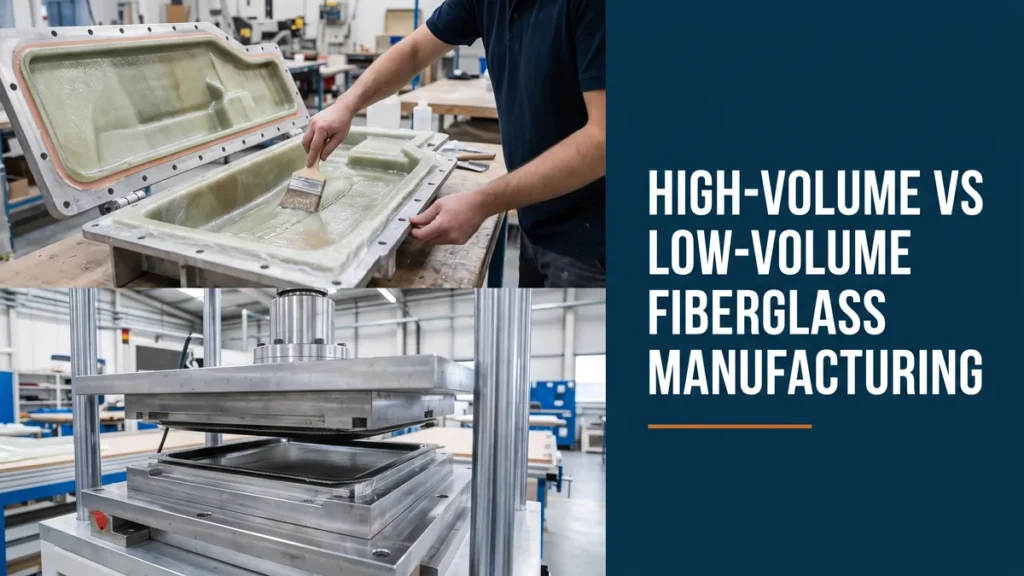
Sheet molding compound (SMC) is the process that brought fiberglass composites into mass production. While hand lay-up and resin transfer molding serve custom and mid-volume work, SMC handles the high-volume end of the composite market: automotive exterior panels, electrical enclosures, and structural parts produced in the tens of thousands. BLG Fiberglass incorporates SMC alongside its […]

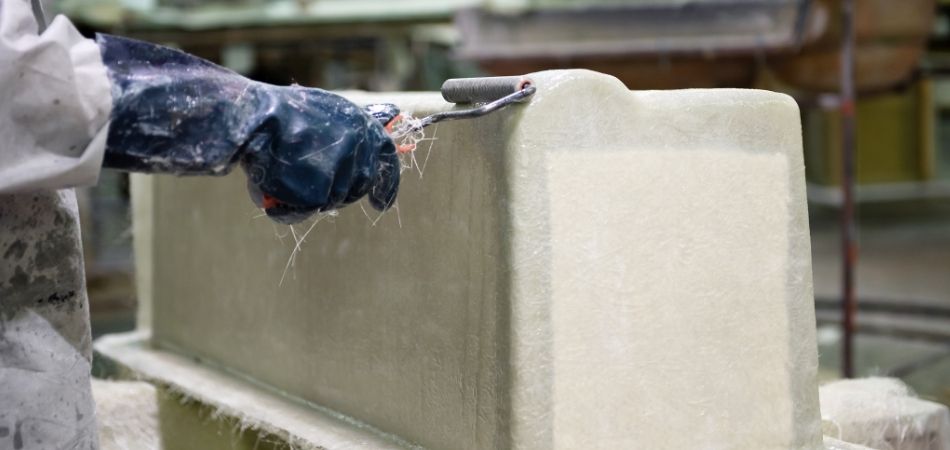
Hand Lay-Up Fiberglass: How FRP Composites Are Made and Why Industry Prefers Them

hand lay up fiberglass frp manufacturing

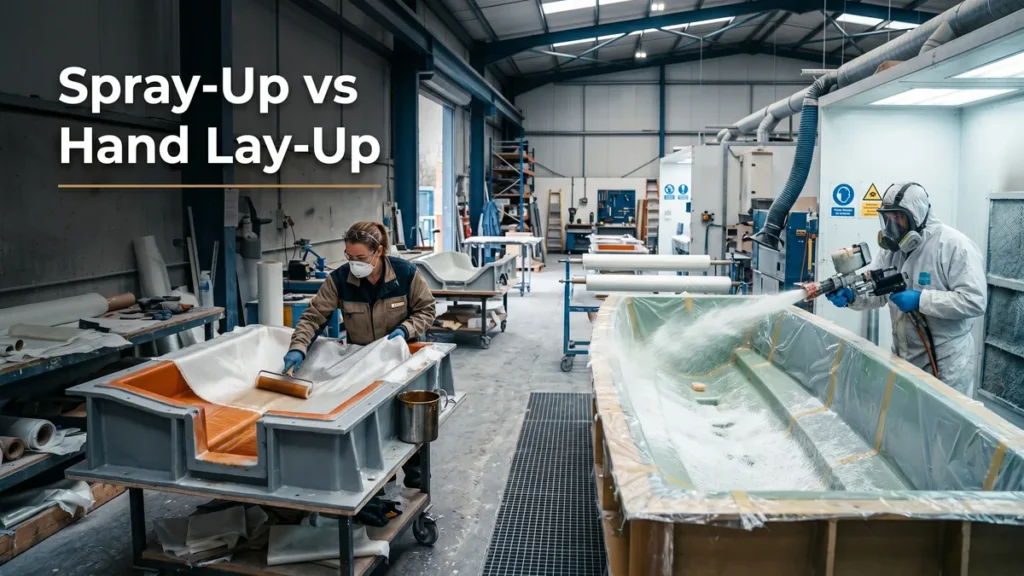
Hand lay-up is the oldest and most widely used method for producing fiberglass reinforced plastic (FRP) components. From marine hulls to medical enclosures and wind turbine nacelles, it remains the process of choice when part geometry is complex, production volumes are low to medium, and design flexibility matters. BLG Fiberglass has applied closed and open […]

How Does Lightweighting Electric Vehicles Improve Range and Performance?

An engineering view of lightweighting electric vehicles by replacing heavy metal components with advanced plastics.

Lightweighting electric vehicles is the most proven strategy to maximize battery range and reduce manufacturing costs. By replacing heavy metal components with advanced thermoformed plastics, automotive engineers can shed hundreds of pounds from a vehicle’s curb weight. This transition to lightweight polymers significantly improves energy efficiency, mitigates range anxiety, and lowers tooling expenses for mid-volume […]

Why Marine and Industrial Sectors are Abandoning Aluminum for Fiberglass

aluminum vs fiberglass corrosion in a marine environment.

Marine and industrial sectors are shifting from aluminum to fiberglass because fiberglass is completely immune to galvanic corrosion and electrolysis. While aluminum requires expensive coatings and sacrificial anodes to survive saltwater or chemical environments, fiberglass (FRP) offers a maintenance-free lifespan that often exceeds 50 years. This transition is driven by the significantly lower life cycle […]

ABS, HIPS, or Polycarbonate? Selecting the Right Material for Impact and UV Resistance

Side-by-side comparison of a cracked, UV-damaged plastic housing versus a durable, impact-resistant enclosure manufactured

Why is your outdoor enclosure cracking after six months? Or why did that prototype shatter when dropped from a workbench? If you’re asking these questions, you’re likely battling the “Triangle of Trade-offs” in thermoplastic selection: Cost, Toughness, and Weatherability. At BLG Fiberglass, we see this constantly in our vacuum forming projects. You want the price […]

The “Stuck Part” Nightmare: 5 Rules for Vacuum Forming Draft Angles & Undercuts

Cross-section illustrating how deep texture requires extra draft angle to prevent drag marks.

There is a specific feeling of dread that every product designer knows. It happens when you’re standing on the shop floor, watching the machine cycle. The sheet heats up, the mold raises, the vacuum pulls tight, it looks perfect. Then, the operator hits “release.” And nothing happens. The part is seized onto the tool. The […]

Why Vacuum Forming Beats 3D Printing for Mid Volume Production

surface finish comparison 3d printed vs vacuum formed parts

We see it all the time. A startup designs a brilliant new device enclosure or an automotive aftermarket part. They 3D print the first prototype, and it looks great. Then they print ten more for beta testing. Still good. But then comes the order for 500 units. Suddenly, their “rapid” prototyping lab turns into a […]

Vacuum Forming vs. Fiberglass Molding: Which Manufacturing Process is Right for Your Project?

fiberglass vs vacuum forming surface finish comparison

In the world of custom manufacturing, engineers and product designers are often stuck between a rock and a hard place. You either pay astronomical tooling costs for injection molding or endure the slow, labor-intensive process of fabricating parts by hand. But what if there was a middle ground? A sweet spot that offers speed, durability, […]

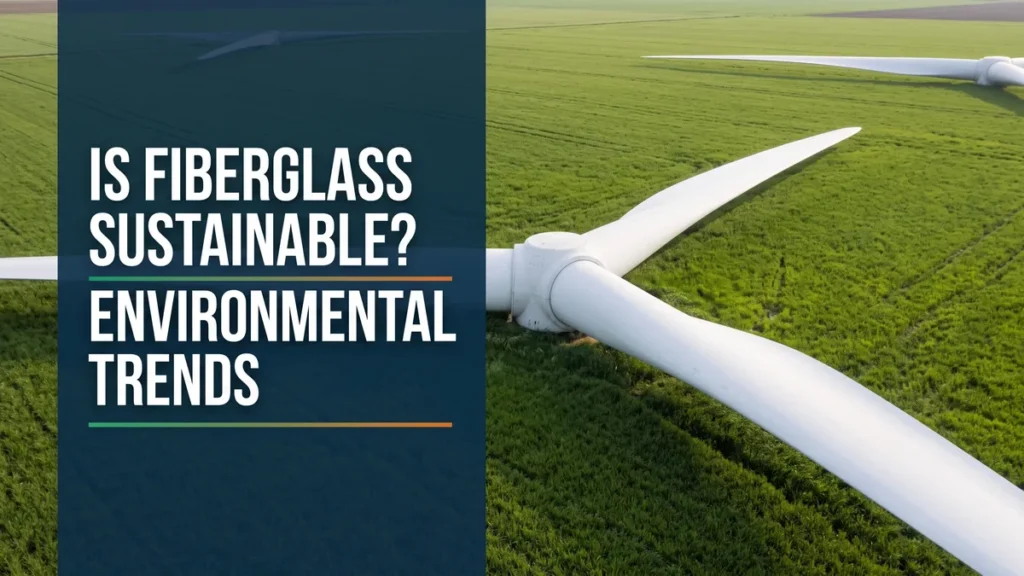
Fiberglass in Renewable Energy: Wind Turbine Blades

fiberglass wind blades

Wind energy is one of the cornerstones of all global renewable energy strategies. Modern wind farms efficiently transform natural airflow into electric power, but the usually not-recognized star of the show is the blade of the wind turbine. These blades need to be large, strong, and lightweight, while withstanding extreme environmental conditions. The material making […]

Glass Fiber vs. Fiberglass: Understanding the Main Differences

fiberglass factory

The terms glass fiber and fiberglass are often used interchangeably with regard to materials in construction, manufacturing, or industrial applications. While the two are related materials, they differ in purpose and characteristics. Knowing the difference will help you make smarter decisions for your projects. What is Glass Fiber? Glass fiber is manufactured from very fine […]