
Blog

Fiberglass in the Oil and Gas Industry: 5 Key Applications for Corrosion Resistance

Fiberglass in the oil and gas industry, FRP tanks and corrosion-resistant piping at a processing facility

Five high-value uses of corrosion-resistant fiberglass in oil and gas, from process piping and tanks to scrubbers, gratings, and offshore systems, plus how to specify FRP.

Fiberglass in Medical Equipment: Why MRI and CT Housings Use FRP Composites

Fiberglass composite housing for CT scanner medical imaging equipment Toronto

  In this article Why medical equipment uses fiberglass 5 Reasons Fiberglass is Used in Healthcare RF transparency and MRI compatibility Key fiberglass medical applications Material properties that matter in healthcare Manufacturing process for medical housings Frequently asked questions Fiberglass medical equipment housings are everywhere in clinical environments, but most people never notice them. The […]

How Much Does a Fiberglass Mold Cost? A Guide to Tooling Budgets

Fiberglass mold cost guide banner showing industrial tooling in manufacturing facility

Fiberglass mold cost ranges from $5,000 for simple open tooling to $250,000+ for large complex closed molds. This guide breaks down pricing by mold type and the factors that determine where your project lands in the range.

Resin Transfer Molding Process: How RTM Works and When to Use It

Resin transfer molding process equipment in a Toronto fiberglass manufacturing facility

In this article What is the resin transfer molding process How RTM works step by step RTM vs hand lay-up and vacuum forming Which industries use RTM RTM tooling costs and production volumes Is RTM right for your project Frequently asked questions The resin transfer molding process produces composite parts with smooth surfaces on both […]

Sheet Molding Compound (SMC): The Process Behind High-Volume Fiberglass Parts

sheet molding compound smc fiberglass manufacturing

Sheet molding compound (SMC) is the process that brought fiberglass composites into mass production. While hand lay-up and resin transfer molding serve custom and mid-volume work, SMC handles the high-volume end of the composite market: automotive exterior panels, electrical enclosures, and structural parts produced in the tens of thousands. BLG Fiberglass incorporates SMC alongside its […]

Hand Lay-Up Fiberglass: How FRP Composites Are Made and Why Industry Prefers Them

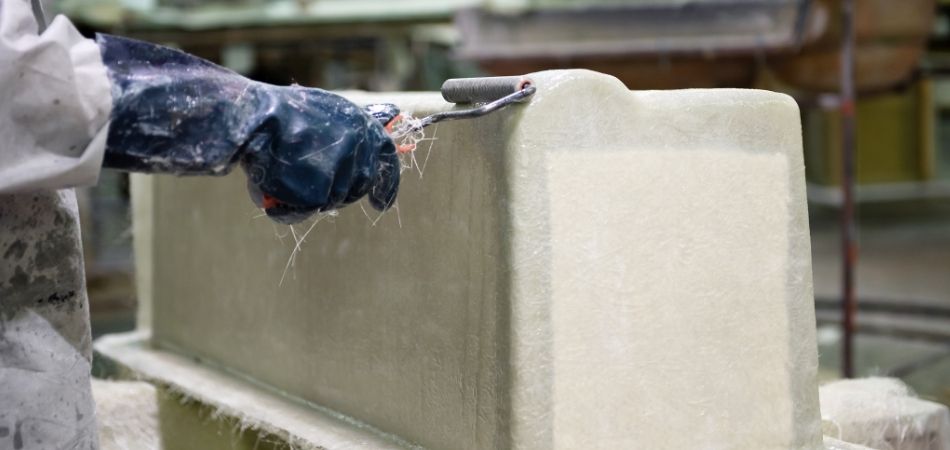
hand lay up fiberglass frp manufacturing

Hand lay-up is the oldest and most widely utilized method for engineering fiberglass reinforced plastic (FRP) components. From marine hulls to medical enclosures, it remains the standard for creating complex structural geometries. Understanding the exact chemistry and physical mechanics behind this open-mold lamination technique is critical for ensuring structural integrity. Table of Contents The Physics […]

How Does Lightweighting Electric Vehicles Improve Range and Performance?

An engineering view of lightweighting electric vehicles by replacing heavy metal components with advanced plastics.

Lightweighting electric vehicles is the most proven strategy to maximize battery range and reduce manufacturing costs. By replacing heavy metal components with advanced thermoformed plastics, automotive engineers can shed hundreds of pounds from a vehicle’s curb weight. This transition to lightweight polymers significantly improves energy efficiency, mitigates range anxiety, and lowers tooling expenses for mid-volume […]

Why Marine and Industrial Sectors are Abandoning Aluminum for Fiberglass

aluminum vs fiberglass corrosion in a marine environment.

Marine and industrial sectors are shifting from aluminum to fiberglass because fiberglass is completely immune to galvanic corrosion and electrolysis. While aluminum requires expensive coatings and sacrificial anodes to survive saltwater or chemical environments, fiberglass (FRP) offers a maintenance-free lifespan that often exceeds 50 years. This transition is driven by the significantly lower life cycle […]