

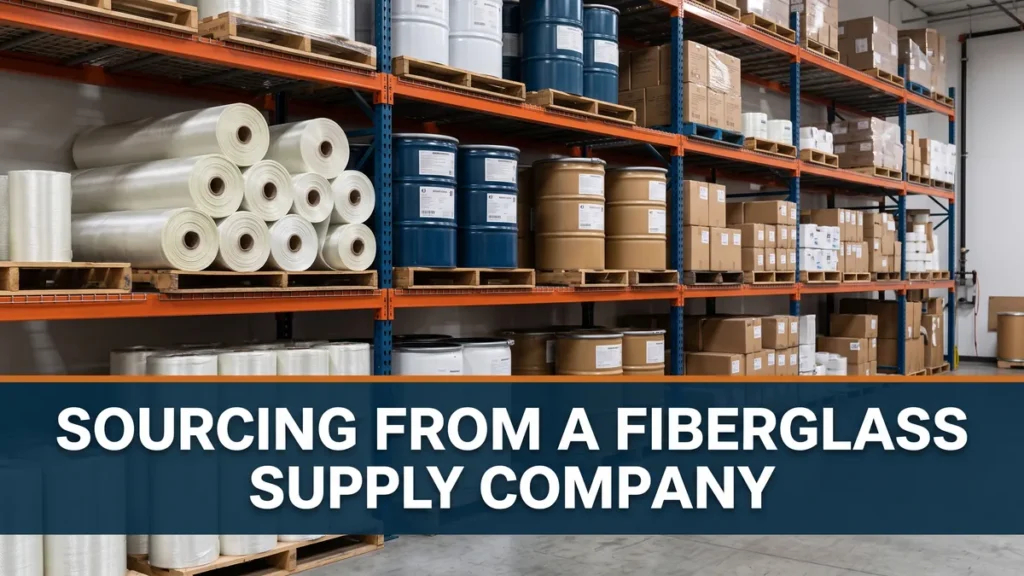
A production line does not usually stop because someone forgot to order resin. It stops because a new resin lot gels faster than the last one, or a roll of mat shows up with a different binder, and nobody caught it until parts started failing. Choosing the right fiberglass supply company is really about avoiding that phone call. A good supplier keeps your reinforced plastic production consistent, documented, and moving, not just stocked.
Whether you buy resin and reinforcement by the drum or the truckload, the sourcing decision shapes your scrap rate, your lead times, and how fast you can respond when a customer doubles an order. Here is how to source materials the way experienced buyers do, and the questions that separate a real partner from a catalog.
In this article
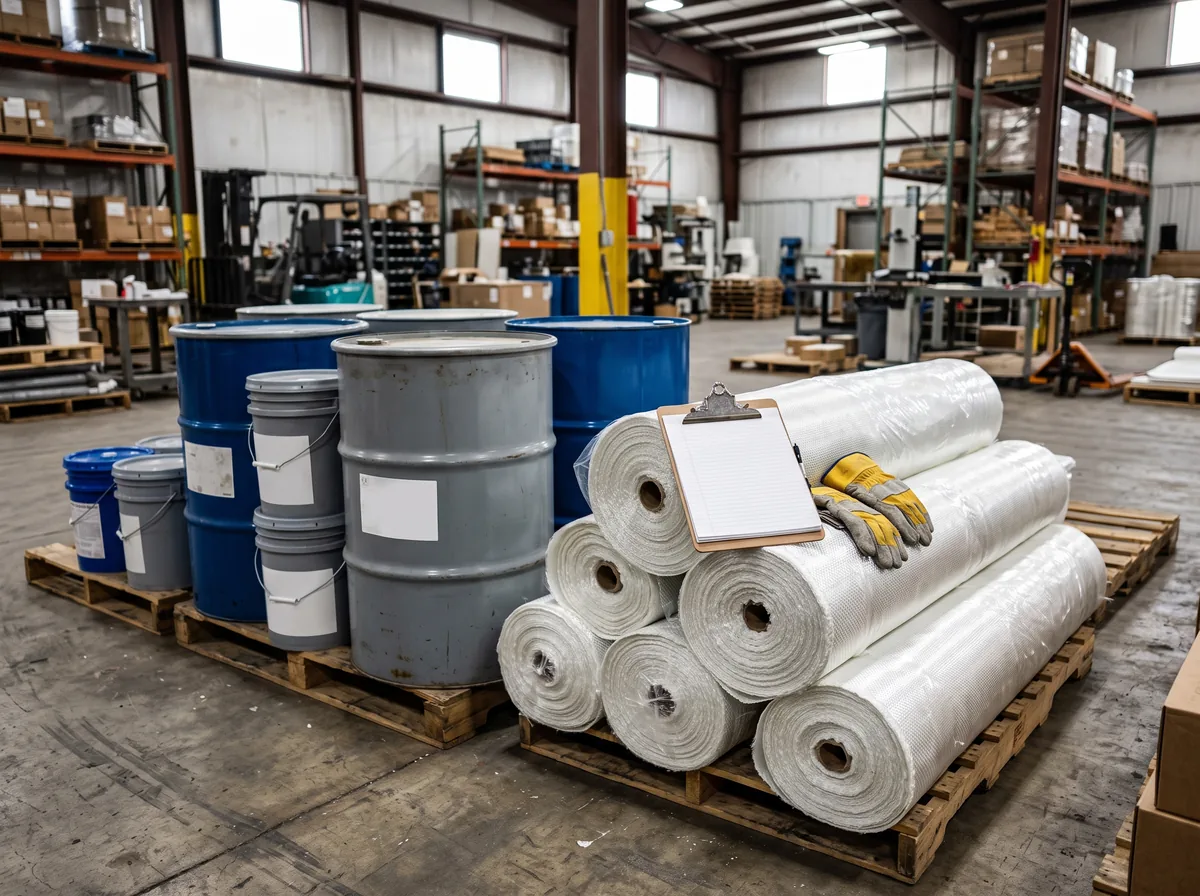
What a fiberglass supply company actually stocks
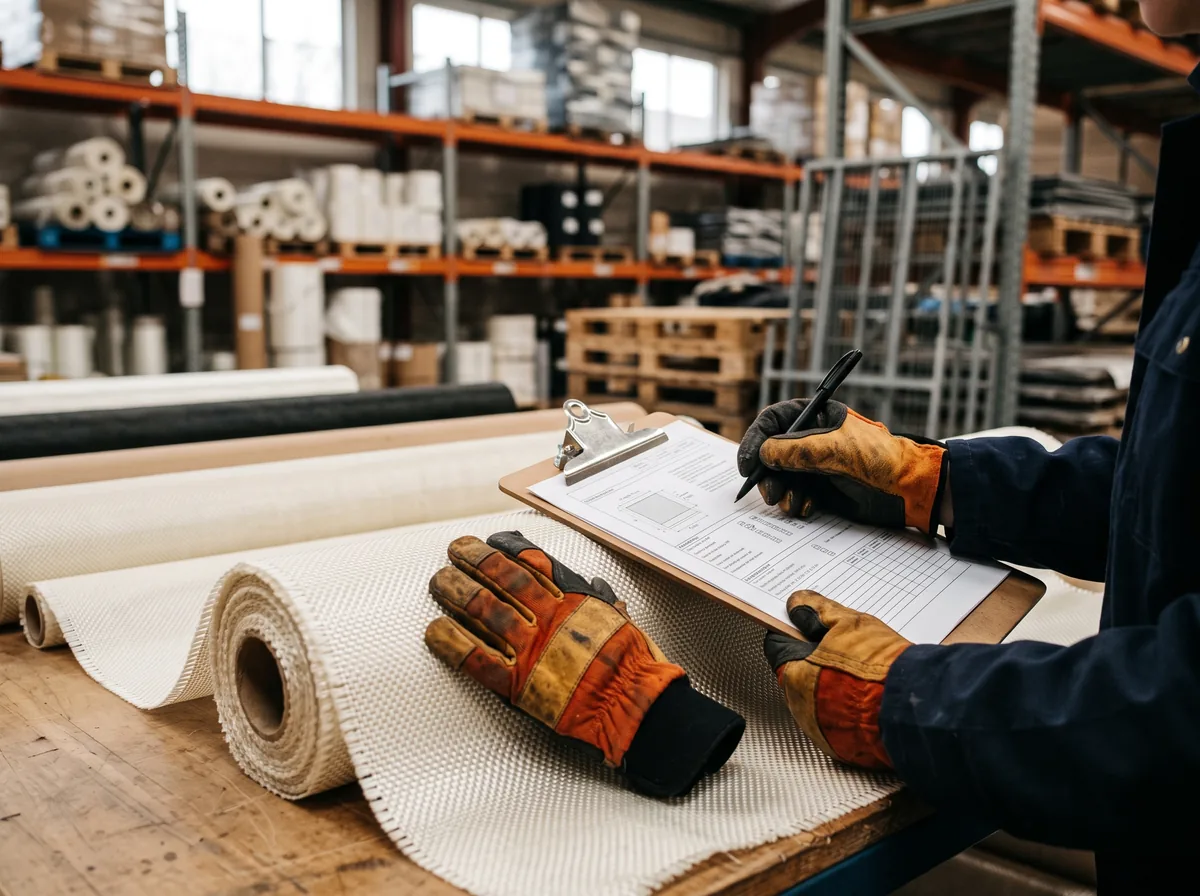
Sourcing gets easier once you know the categories a supplier should carry and how they interact. The materials are not interchangeable, and mixing incompatible ones is where quality problems start.
- Resins: polyester, vinyl ester, and epoxy systems, each with different cure speed, chemical resistance, and cost.
- Reinforcements: chopped strand mat, woven roving, stitched fabrics, and specialty cloths in various weights.
- Catalysts and hardeners: matched to the resin, with a shelf life and temperature sensitivity that matter.
- Gel coats and pigments: the surface layer and color, which have to be compatible with the laminate below.
- Core materials and consumables: balsa, foam, release agents, rollers, and vacuum supplies.
The point is compatibility. A vinyl ester resin, the right catalyst load, and a fabric with a compatible sizing all have to agree. A supply company that understands your process will flag a mismatch before it ships, which a pure price-list vendor never will. If you are still deciding between chemistries, our comparison of resin and epoxy systems is a useful starting point.
Pro tip
Ask for a technical data sheet and a safety data sheet for every product before the first order, not after a problem. A supplier who sends them without hesitation is one who expects you to run a controlled process. Keep them on file and check the lot against them on receipt.
How to source materials without surprises
Buying from a fiberglass supply company well is a repeatable process, not a scramble every time stock runs low. Build the habit and your line stops absorbing avoidable variation.
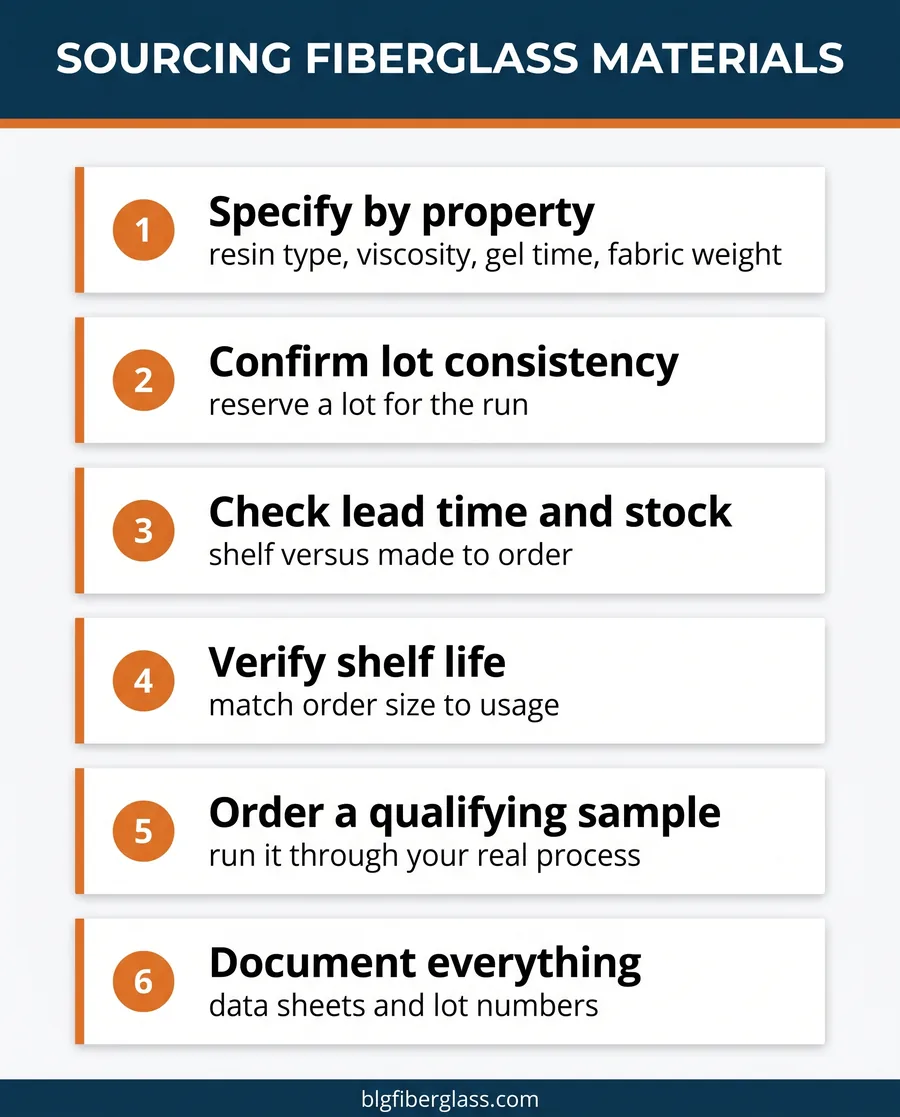
- Specify by property, not just product name. Note the resin type, viscosity, gel time, and the reinforcement weight and weave you validated.
- Confirm lot consistency. Ask how the supplier handles lot-to-lot variation and whether you can hold a lot number across a production run.
- Check lead time and stock depth. Know what is on the shelf versus made to order, and how fast reorders ship.
- Verify storage and shelf life. Resins and catalysts degrade. Match order size to how fast you actually consume them.
- Order a qualifying sample first. Run a small batch through your real process before committing to volume.
- Document everything. Keep data sheets, lot numbers, and receiving checks so a defect can be traced to a source.
Did you know
Resin shelf life is often just three to six months, and it shortens in a warm shop. Buying a year of resin to chase a bulk discount can cost more than it saves once you scrap the material that gelled on the shelf. Order to your real consumption rate.
Questions to ask before you commit
The sourcing conversation tells you almost everything. A supplier who answers these clearly is one you can build a line around. Vague answers are a signal to keep looking.
- Can you supply matching technical and safety data sheets for every item, and current certificates of analysis?
- How do you manage lot-to-lot consistency, and can I reserve a lot for a long run?
- What is your real lead time on reorders, and what do you keep in stock versus make to order?
- Do you have technical staff who can help troubleshoot a cure or lamination problem?
- Can you scale with me if my volume jumps, without a quality change?
For guidance on how to evaluate the people behind the materials, our guide on how to vet a composite fabrication partner covers the red flags that apply to suppliers too. And because you will be handling reactive chemistry, the American Composites Manufacturers Association publishes safety and best-practice resources worth keeping on hand.
Fiberglass and composite materials involve resins, hardeners, catalysts, and airborne particulate that require proper ventilation, personal protective equipment, and handling per each product’s safety data sheet. BLG Fiberglass is not liable for outcomes from actions taken based on this content. Always follow the manufacturer’s SDS and consult a qualified professional for your application.
Local versus national: what proximity buys you
A nearby supplier and a national distributor solve different problems. Proximity shortens lead times and makes emergency top-ups possible. National scale can mean deeper stock and broader lines. Many shops use both: a local partner for the fast-moving core materials and a national source for specialty items.
| What matters | Local supply company | National distributor |
|---|---|---|
| Lead time on reorders | Often same or next day | Depends on shipping |
| Emergency top-ups | Realistic to arrange | Harder to expedite |
| Technical support | Personal, knows your process | Varies by account |
| Specialty product range | May be narrower | Usually broad |
| Freight cost on heavy goods | Lower over short distance | Can be significant |
People often ask: does buying local really save money on fiberglass materials?
Often, once you count the full cost. Resin, mat, and core are heavy and bulky, so freight adds up fast over distance. A closer supplier also cuts the cost of stockouts, because you are not idling a line waiting on a truck. The sticker price is only part of the total landed cost.
Download the free quick guide
A one-page checklist to source resin and reinforcement without surprises.
Frequently Asked Questions
Reliable materials and the people who understand them are two halves of the same decision. BLG Fiberglass both manufactures composite parts and works with buyers who need consistent supply across projects in Canada, the Boston area, and manufacturers around Seattle. Reach out to our team and we will help you specify materials that hold up run after run.
