Blog

ABS, HIPS, or Polycarbonate? Selecting the Right Material for Impact and UV Resistance

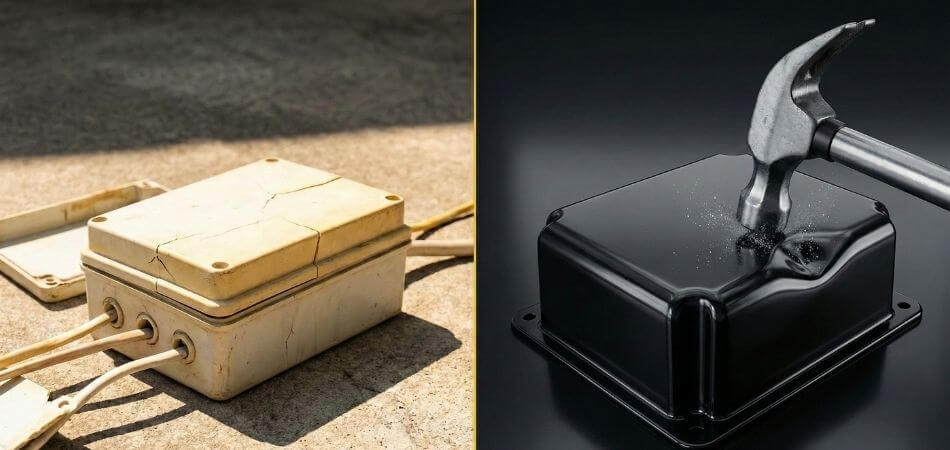
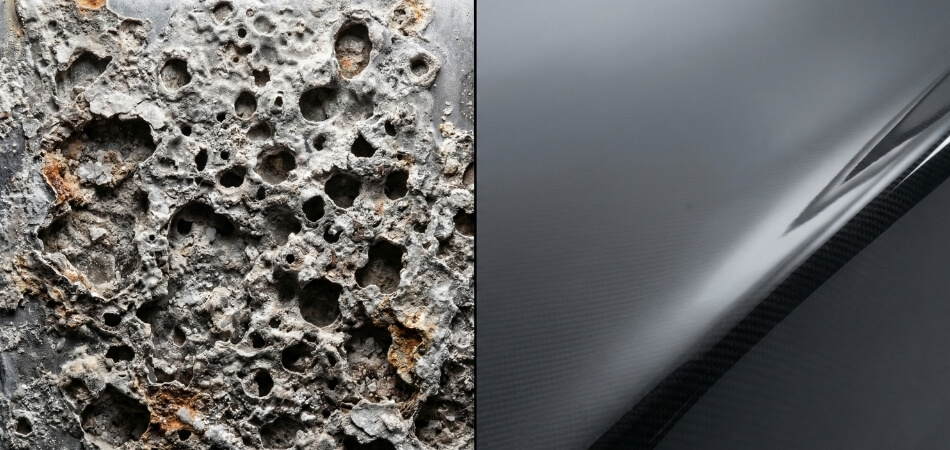
Side-by-side comparison of a cracked, UV-damaged plastic housing versus a durable, impact-resistant enclosure manufactured

Why is your outdoor enclosure cracking after six months? Or why did that prototype shatter when dropped from a workbench? If you’re asking these questions, you’re likely battling the “Triangle of Trade-offs” in thermoplastic selection: Cost, Toughness, and Weatherability. At BLG Fiberglass, we see this constantly in our vacuum forming projects. You want the price […]

The “Stuck Part” Nightmare: 5 Rules for Vacuum Forming Draft Angles & Undercuts

Cross-section illustrating how deep texture requires extra draft angle to prevent drag marks.

There is a specific feeling of dread that every product designer knows. It happens when you’re standing on the shop floor, watching the machine cycle. The sheet heats up, the mold raises, the vacuum pulls tight, it looks perfect. Then, the operator hits “release.” And nothing happens. The part is seized onto the tool. The […]

Why Vacuum Forming Beats 3D Printing for Mid Volume Production

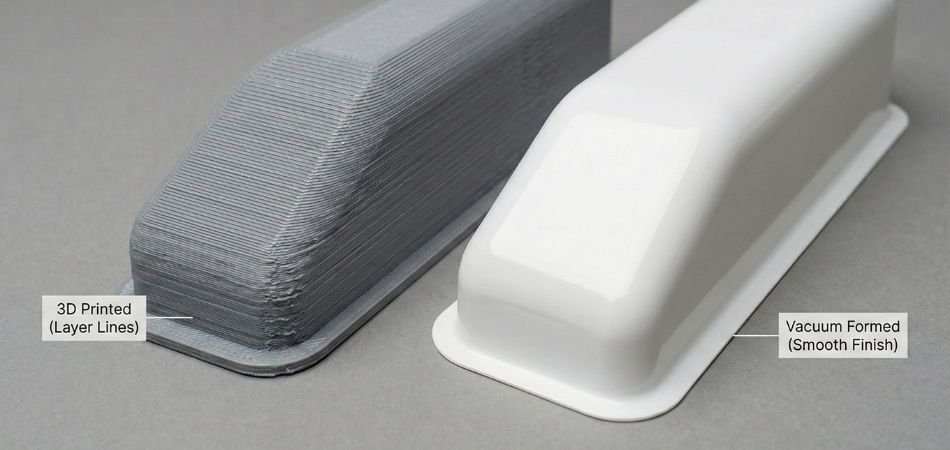
surface finish comparison 3d printed vs vacuum formed parts

We see it all the time. A startup designs a brilliant new device enclosure or an automotive aftermarket part. They 3D print the first prototype, and it looks great. Then they print ten more for beta testing. Still good. But then comes the order for 500 units. Suddenly, their “rapid” prototyping lab turns into a […]

Vacuum Forming vs. Fiberglass Molding: Which Manufacturing Process is Right for Your Project?

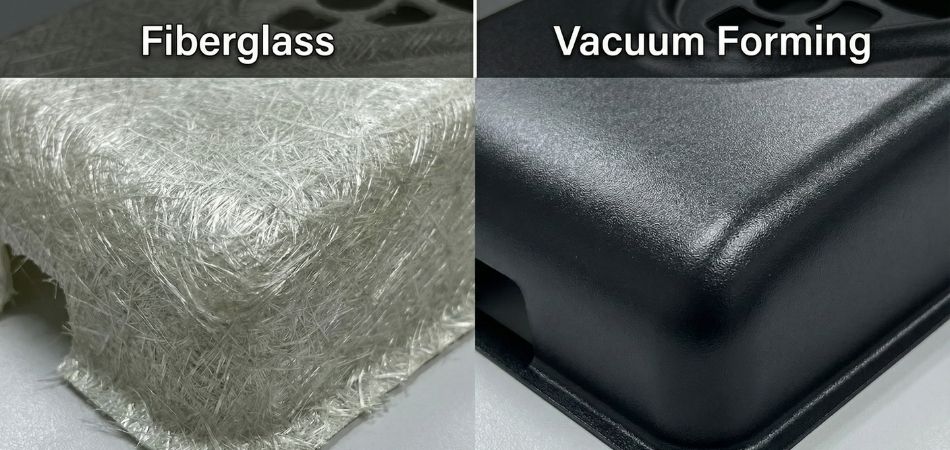
fiberglass vs vacuum forming surface finish comparison

In the world of custom manufacturing, engineers and product designers are often stuck between a rock and a hard place. You either pay astronomical tooling costs for injection molding or endure the slow, labor-intensive process of fabricating parts by hand. But what if there was a middle ground? A sweet spot that offers speed, durability, […]

Fiberglass in Renewable Energy: Wind Turbine Blades

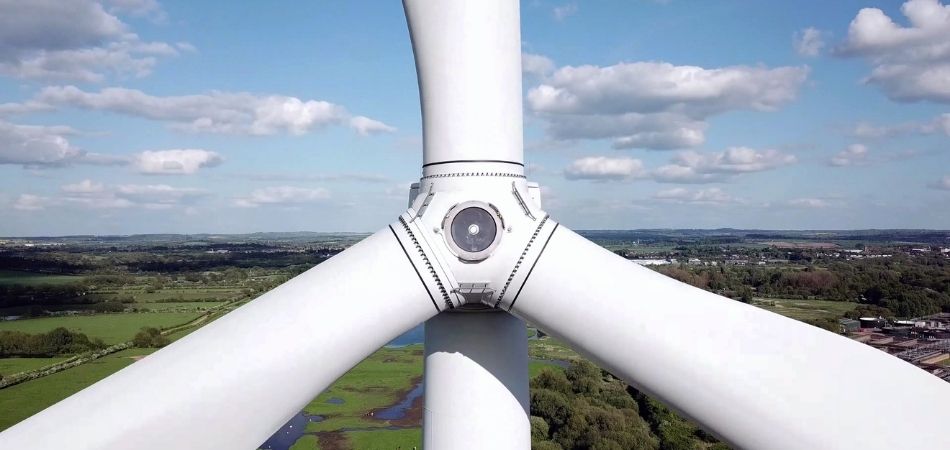
fiberglass wind blades

Wind energy is one of the cornerstones of all global renewable energy strategies. Modern wind farms efficiently transform natural airflow into electric power, but the usually not-recognized star of the show is the blade of the wind turbine. These blades need to be large, strong, and lightweight, while withstanding extreme environmental conditions. The material making […]

Glass Fiber vs. Fiberglass: Understanding the Main Differences

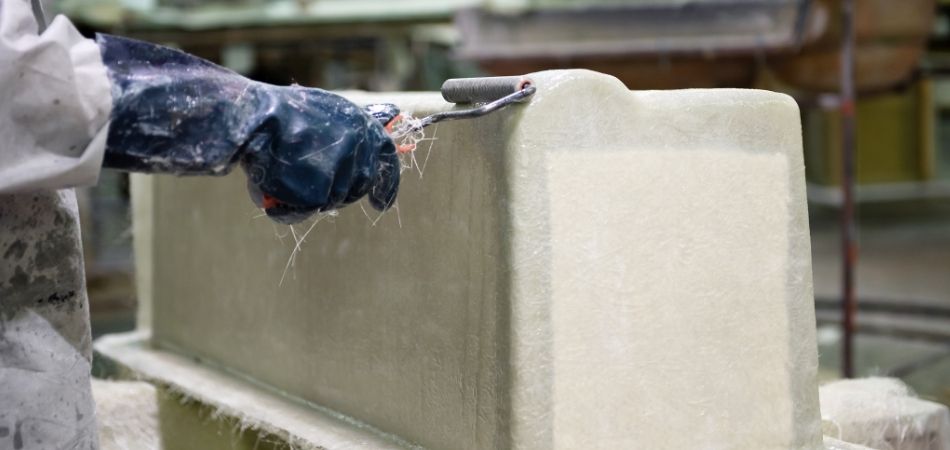
fiberglass factory

The terms glass fiber and fiberglass are often used interchangeably with regard to materials in construction, manufacturing, or industrial applications. While the two are related materials, they differ in purpose and characteristics. Knowing the difference will help you make smarter decisions for your projects. What is Glass Fiber? Glass fiber is manufactured from very fine […]

Understanding the Different Types of Fiberglass

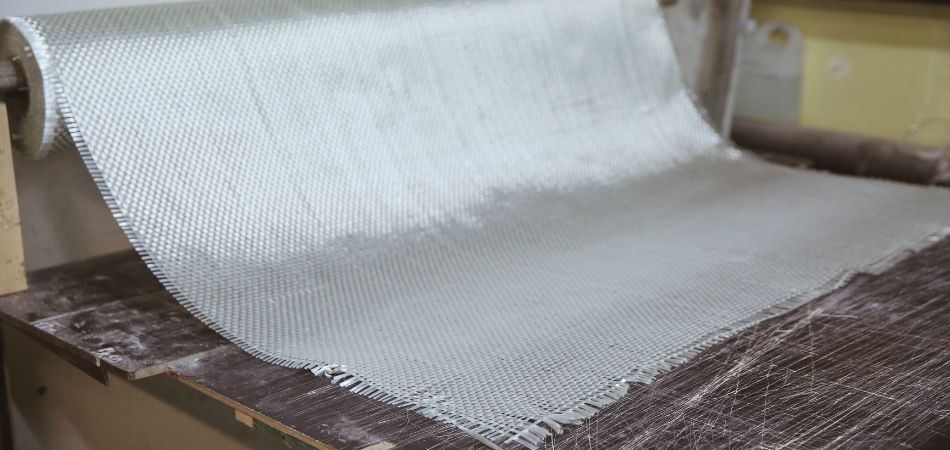
fiber glass roll

Fiberglass is one of those materials that works behind the scenes in everyday life – found in everything from cars and boats to medical devices and industrial machinery. But here’s the thing: not all fiberglass is created equal. Each type has its own unique properties, and choosing the right one can make a big difference […]

Top 5 Fiberglass & Composite Trends in 2026

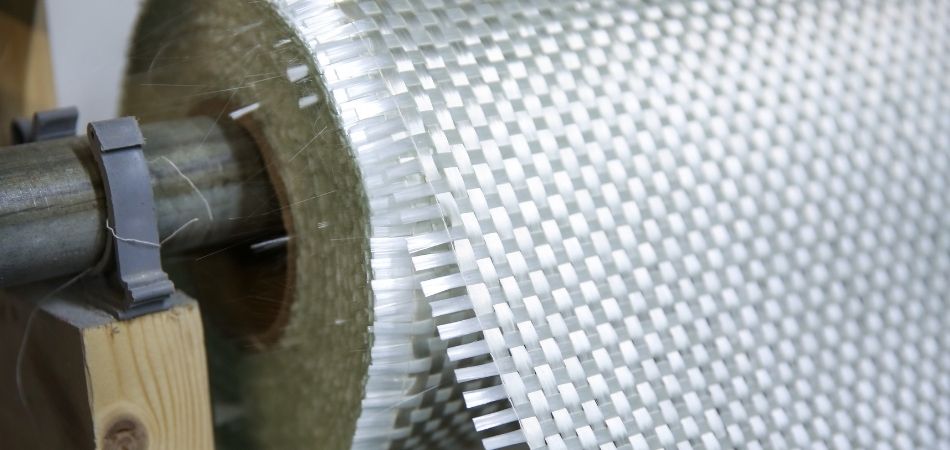
Fiberglass sheet

Fiberglass and composite materials are taking on a central role in manufacturing. They influence how we create everything from cars to boats to medical devices. Their lightweight nature, strength, and flexibility make them essential in various industries. As we move into 2026, several trends are emerging that are changing the landscape of composites. Manufacturers are […]

How to Choose the Right Thermoplastic Sheet for Your Part

thermoplastic machine

When designing a plastic component or part, selecting the right thermoplastic sheet is crucial to guarantee it meets performance, durability, and functionality requirements. The conditions a part will face – whether impact, heat, or chemical exposure – can greatly influence which material is best suited. For instance, the transparent sheeting used in bus windows requires […]